The short answer: On November 3, 2026, Florida voters will decide on Amendment 3. It would make the homestead exemption on your home much bigger for county, city and other local taxes, but not for school taxes. It would also cap yearly assessment increases on second homes, rentals and business property at 5% instead of 10%. It needs 60% of voters to pass. This article explains what it does. We do not tell you how to vote.
First, What Is a Homestead Exemption?
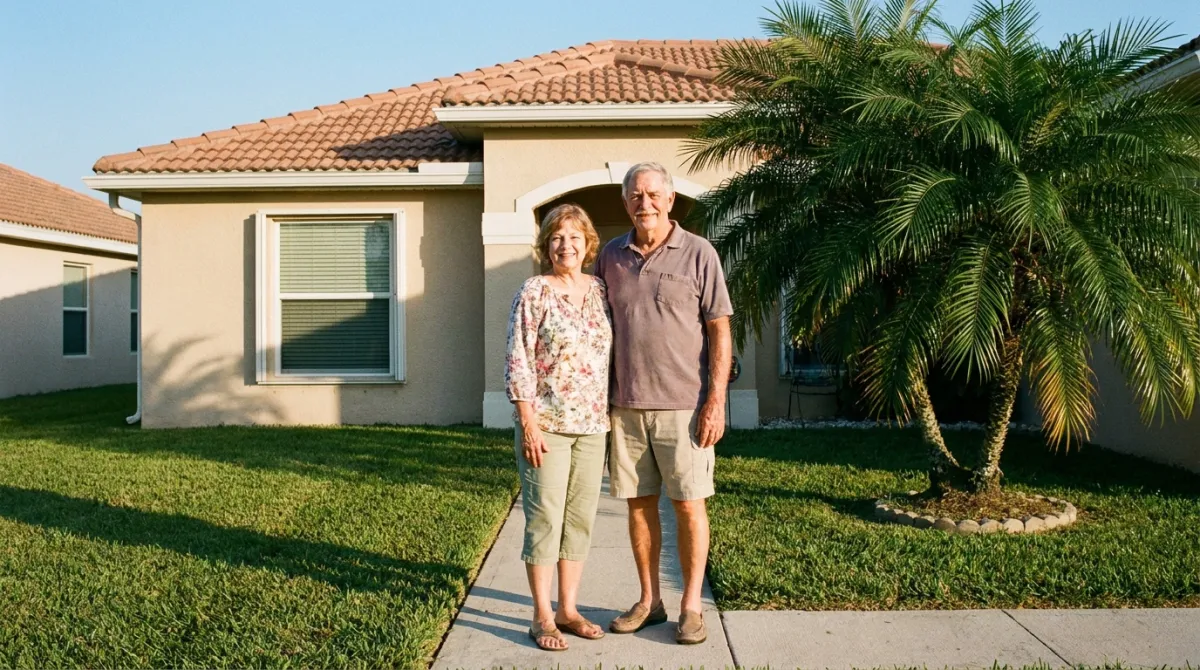
If you own the home you live in full time in Florida, you can get a homestead exemption. It lowers the taxable value of your home, so you pay less in property taxes. You apply once with your county property appraiser.
Today, most homesteads get up to about $51,000 off their taxable value. That is $25,000 off for all taxes, plus a second amount (about $26,400 in 2026) off for non-school taxes. (Source: Florida property appraisers' Amendment 3 FAQ.)
What Amendment 3 Would Change
The words on your ballot will say: "Increased Homestead Exemption; Lower Cap on Increases in Non-Homestead Property Assessments." A court had the first version of the ballot wording rewritten in August, so this is the final title. (Source: Florida Division of Elections.)
1. A much larger homestead exemption for non-school taxes
- Starting January 1, 2027: the first $150,000 of your home's assessed value would be exempt from non-school property taxes. These are taxes set by your county, city and special districts.
- Starting January 1, 2028: this grows to $250,000.
- Starting in 2029: the $250,000 would go up with inflation.
- School taxes: the exemption would stay at $25,000. Amendment 3 does not change school funding.
(Source: Amendment text, Florida Senate.)
2. A slower phase-in for new Florida residents
The full exemption would go to people who were permanent Florida residents by December 31, 2026. People who move to Florida after that would start with a smaller exemption and get the full amount in their fifth year. This matters if you or a loved one is planning to retire to Florida.
3. A lower cap for second homes, rentals and businesses
Right now, the assessed value of property that is not a homestead can go up as much as 10% a year for most local taxes. Amendment 3 would lower that cap to 5% a year for non-school taxes, starting in 2027.
4. New limits on how local governments spend property tax money
Counties and cities could use property tax money only for certain things. These include police, fire and emergency medical services, roads and stormwater, flood control and natural resources, debt payments, employee retirement costs and running local government offices.
5. A path to even bigger exemptions later
The amendment tells the Florida Legislature to create a process that could let counties and cities raise the exemption further, even up to the full value of a homestead. It does not set a timeline for this.
What Would Not Change
- Save Our Homes cap. The assessed value of your homestead still could not go up more than 3% a year (or the rate of inflation, if lower).
- Portability. You could still carry your Save Our Homes savings to a new Florida home.
- Senior, veteran, widow or widower, and disability exemptions. These stay in place.
- Fees and special assessments on your tax bill (such as trash or stormwater fees) are not covered by the new exemption.
(Source: Property appraisers' FAQ.)
How Much Could a Homeowner Save?
There is no official state estimate for a typical homeowner, and property appraisers say exact savings cannot be figured yet. Your savings would depend on your home's assessed value and your local tax rates. If your home's assessed value is low, or you already pay little because of other exemptions, you may see a smaller change.
Florida TaxWatch, a nonprofit research group, gives an example: at an average local tax rate, a homeowner with a high enough assessed value might save about $1,035 in 2027 and about $2,085 in 2028. That is an illustration, not a promise. (Source: Florida TaxWatch.)
What It Would Mean for Local Budgets
The state's official revenue estimators say local governments would collect about $4.9 billion less in the first year. That grows to about $11.8 billion less per year once fully in place. (Source: Florida Revenue Estimating Conference, July 10, 2026.)
What Supporters and Opponents Say
Supporters, including Florida Realtors and legislative leaders who put it on the ballot, say it gives homeowners real relief from rising property taxes. They say it helps people afford to stay in their homes, and pushes local governments to spend carefully. (Source: Florida Realtors.)
Opponents, including the Florida Sheriffs Association, firefighter groups and Florida TaxWatch, worry about less money for police, fire and emergency services. They also say more of the tax burden could shift to renters, businesses and newer homeowners. (Sources: News 6, Florida TaxWatch.)
County property appraisers are neutral and have published FAQs to explain it. Check your own county property appraiser's website for local details.
Key Voting Dates for November 3, 2026
- Register to vote or update your address by October 5, 2026. Check your registration at registration.dos.fl.gov.
- Ask for a mail ballot by 5 p.m. on October 22, 2026. Contact your county Supervisor of Elections.
- Return your mail ballot so it arrives by 7 p.m. on Election Day. A postmark does not count. You can also drop it off in person.
- Vote early from October 24 to 31, 2026. Some counties offer extra days.
- Vote on Election Day, November 3, at your assigned polling place.
(Source: Florida Division of Elections.) Your county Supervisor of Elections can mail you a sample ballot so you can read every amendment before you vote.
Property Tax Help Seniors Can Use Right Now
Whatever happens with Amendment 3, many Florida seniors can already save on property taxes:
- Extra exemption for lower-income seniors 65 and older. Up to $50,000 more off county or city taxes, if your county or city offers it. For 2026, your household income must be $38,686 or less. (Source: Florida Department of Revenue.)
- Long-time resident exemption. Some counties and cities fully exempt seniors 65 and older who have lived in their home at least 25 years, if the home's value is under $250,000 and income is under the limit.
- Deadline: apply with your county property appraiser by March 1.
For more ways to stretch a fixed income, see our guides to financial planning for Florida seniors and choosing the best part of Florida for retirement. You can also find local resources on county pages like Orange County and Pinellas County. Beyond property taxes, see other benefits seniors may qualify for in Florida.
Where to Get Free Help
- Your county property appraiser: questions about your exemptions and how Amendment 3 could affect your home
- Your county Supervisor of Elections: sample ballots, mail ballots and polling places. Find yours in the state directory.
- Florida Voter Assistance Hotline: 1-866-308-6739
- Florida Elder Helpline: 1-800-96-ELDER (1-800-963-5337) for local senior services
Disclaimer: This article is for informational purposes only and does not constitute medical, financial, or legal advice. Readers should consult a qualified healthcare provider for medical concerns, a financial advisor for financial planning, and an attorney for legal matters. The resources and programs mentioned are subject to eligibility requirements and availability, which may vary. While we strive for accuracy, the information provided may not reflect the most recent updates. Always verify details with official sources or professionals before making decisions based on this content.